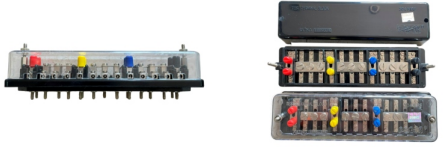
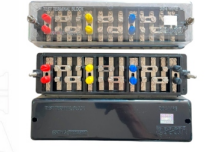

A “Heavy Front Connection 3PH/4W Link Type” refers to a robust, Three-Phase Four-Wire (3Ph 4W) electrical connection method designed for high-current applications, usually involving thick cables or busbars, where all connections are made to the front of the electrical panel or metering unit.
Here is a breakdown of the terminology based on electrical standards:
- 3PH/4W (Three-Phase Four-Wire): An electrical system with three phase conductors (hot lines) and one neutral conductor, often utilizing a “Star” (Wye) configuration to provide both 3-phase power and single-phase power (e.g., 415V/240V or 208V/120V).
- Heavy Duty/Front Connection: This indicates that the device (such as a meter or switchgear) is designed for high-current, “whole current” (often 10-60A or higher, sometimes up to 200A or more) rather than CT-operated, allowing cables to be connected directly to the front terminal block for easier access during installation or maintenance.
- Link Type: This typically refers to the connection point being designed for solid links or busbars rather than just wires, ensuring a “heavy” or very secure, low-resistance connection capable of handling high loads without overheating.
Key Features and Usage
- Applications: Commonly used in industrial, commercial, and large residential buildings for Main LT (Low Tension) panels, energy meters (smart meters), and distribution boards.
- Ease of Maintenance: Front access allows the unit to be mounted against a wall, saving space while allowing technicians to service connections from the front.
- Robustness: Designed to handle high continuous current and potential faults (e.g., 40-200A).
This type of connection ensures that the neutral is properly handled, which is essential for managing unbalanced loads in a 4-wire system.

Reviews
There are no reviews yet.